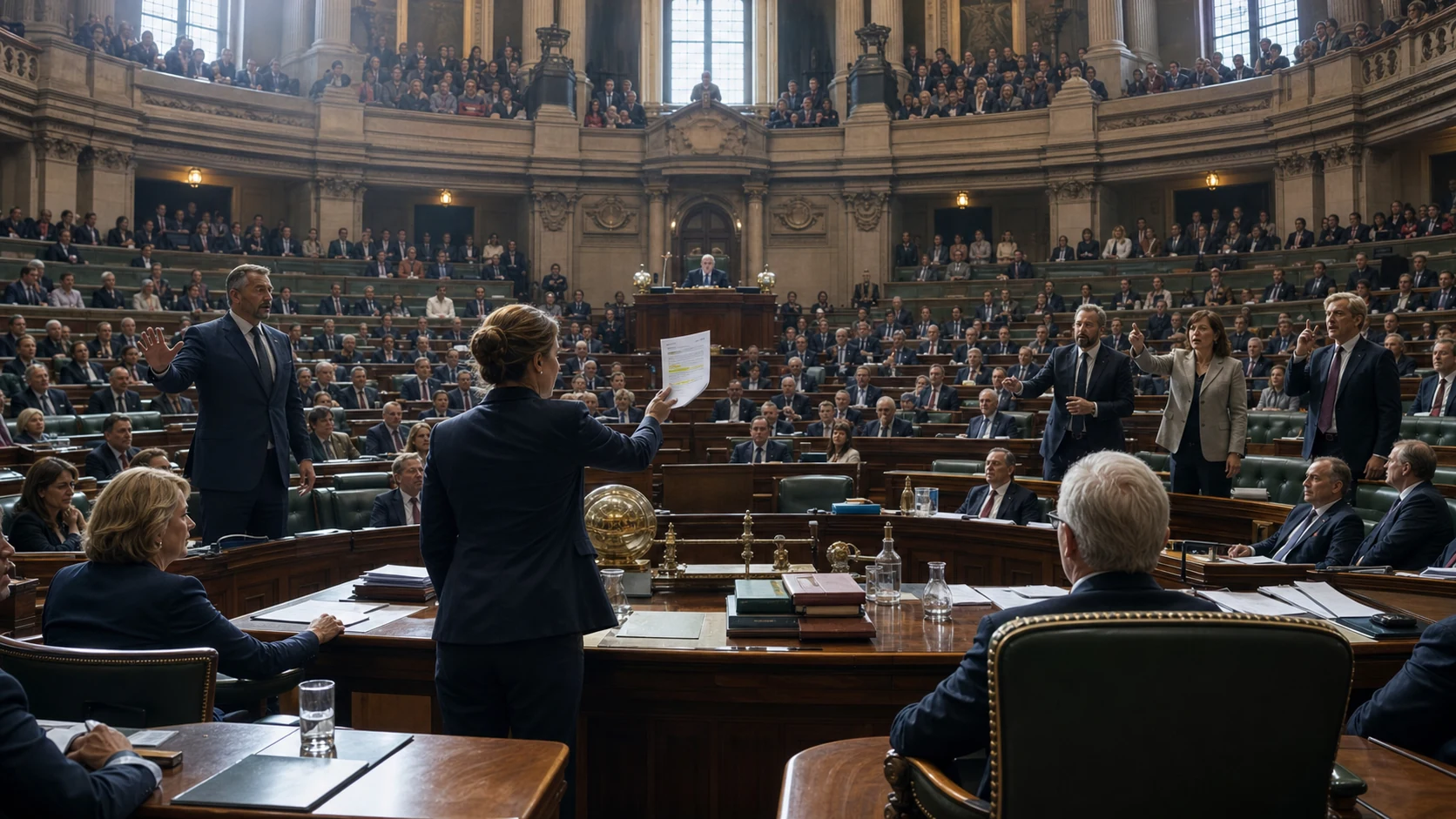
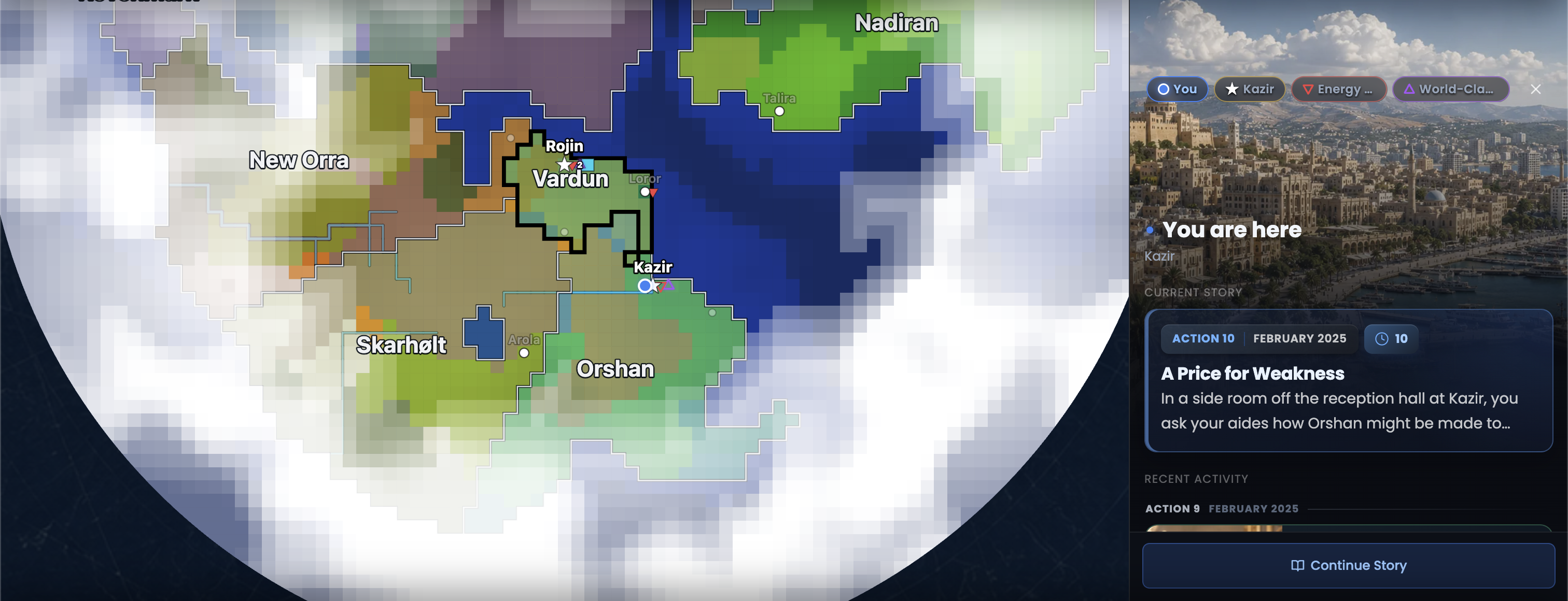
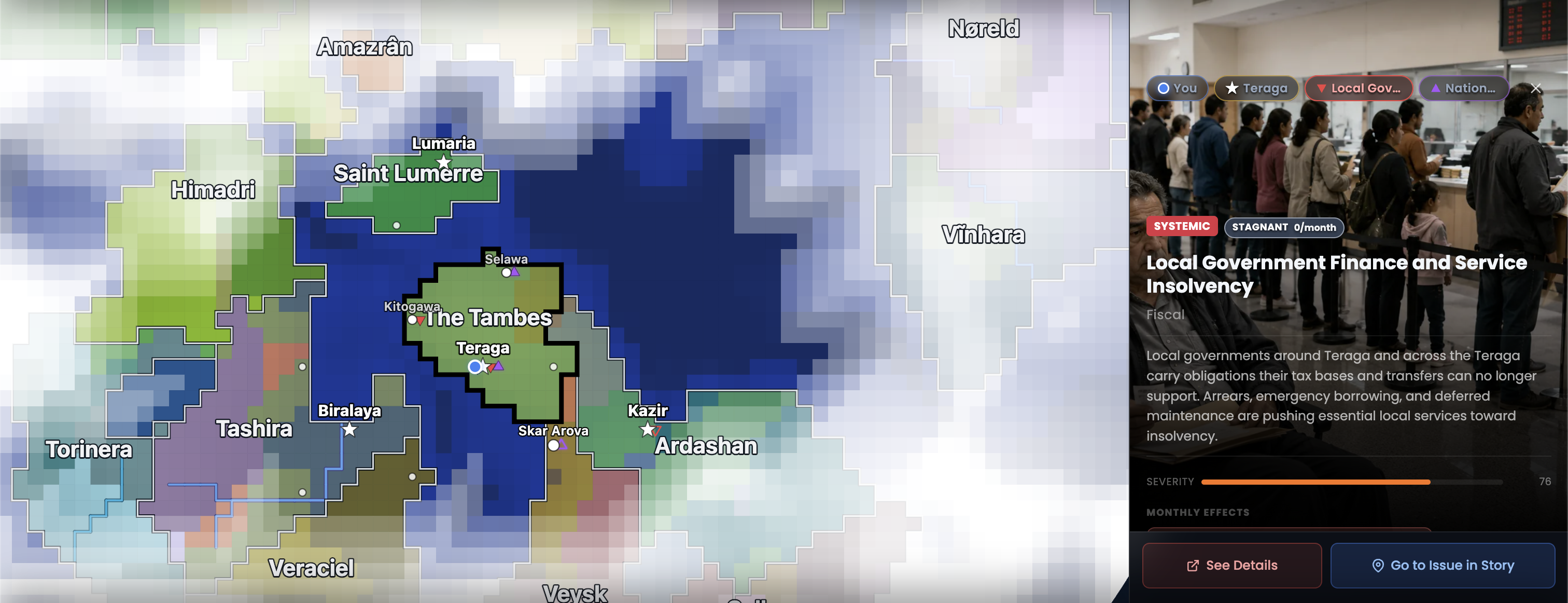
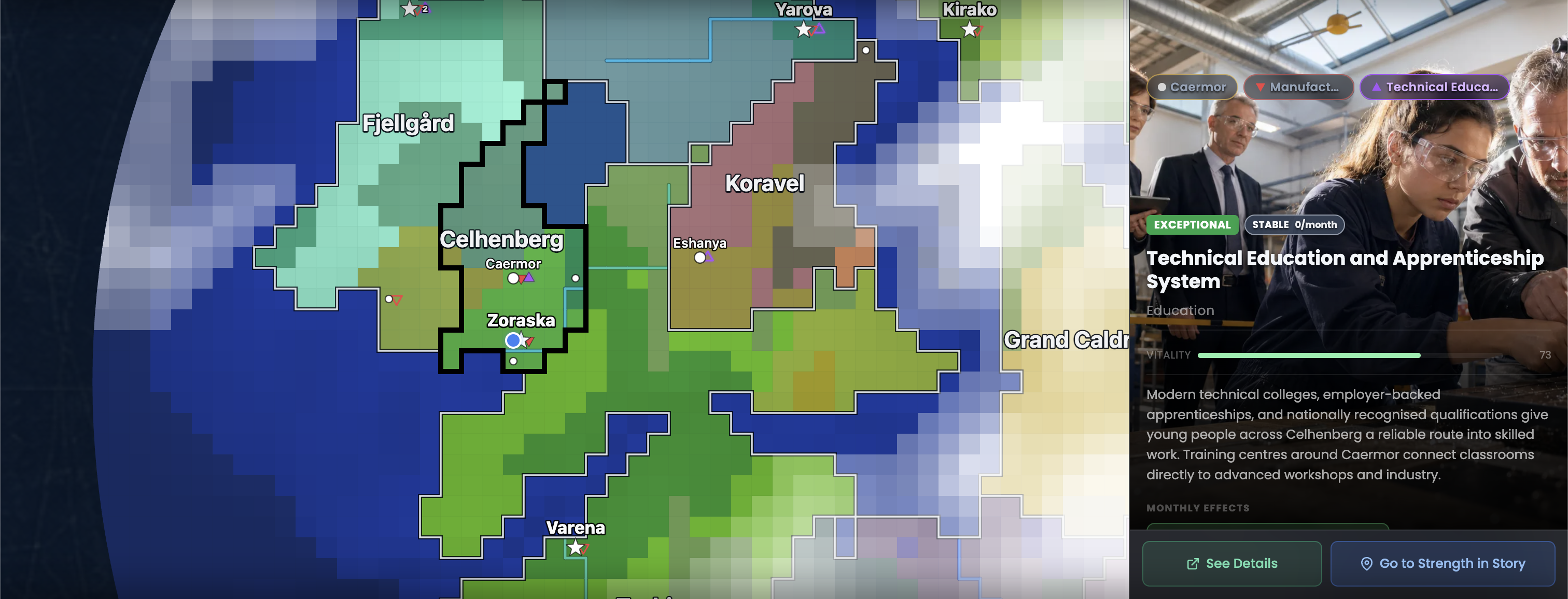
CountryGov is a political adventure game about power in a living, fictional world. Step into a nation with its own history, culture, and place among other countries. Then govern its institutions, explore its places, meet its people, and decide what kind of country it will become.
Say what you do. Live with what happens.
Write an action. Story stages what happens. Its effects become part of the world—institutions, relationships, strengths, issues, agreements, and consequences that persist.
What do you do?
Action 1July 202815
The Floodlights Come On in Aurelia
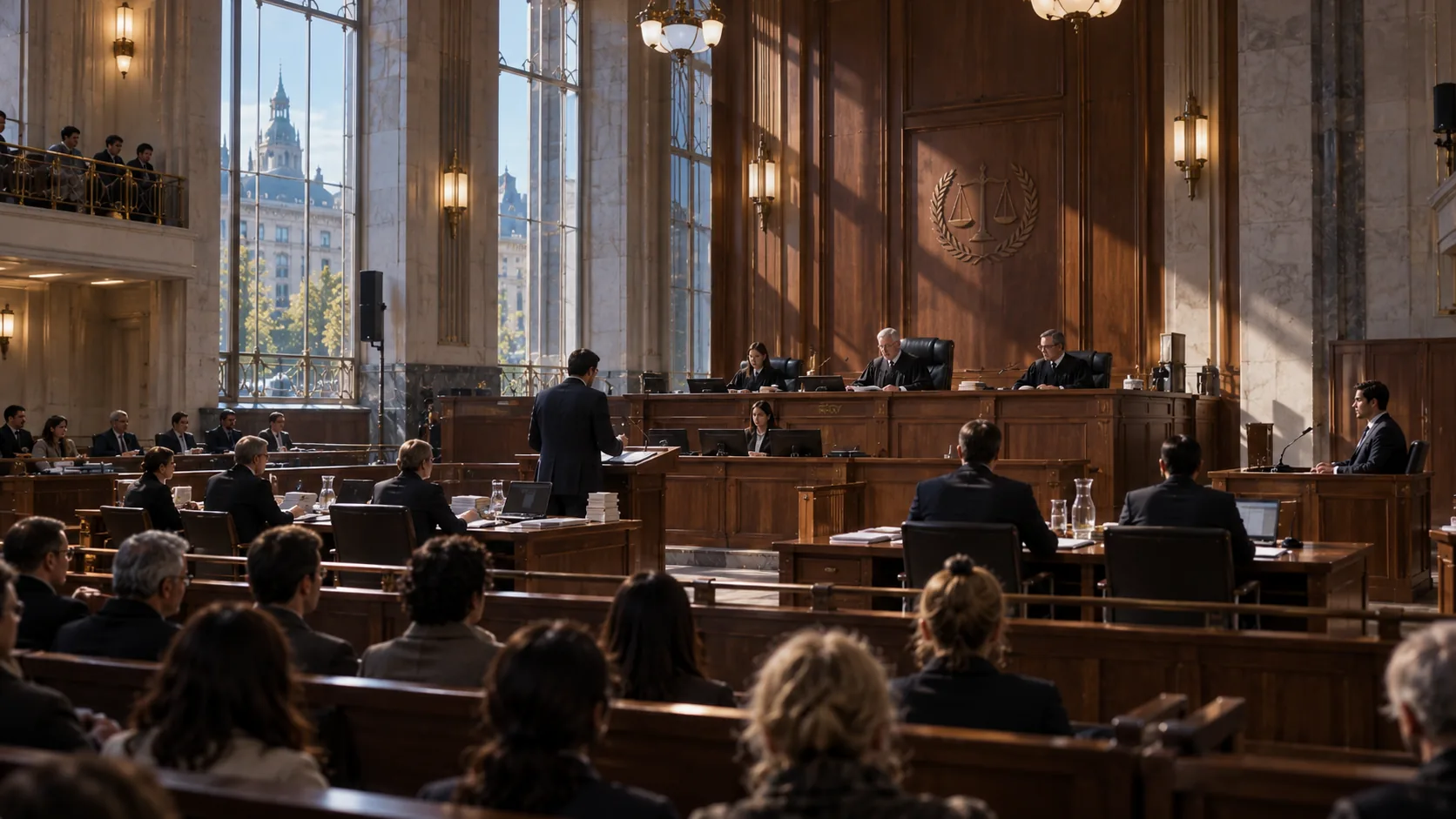
Rain shines on the concrete terraces as twelve club chairs take their places beneath Aurelia Municipal Ground. They expected a grant; you put a shared-ownership charter on the table instead.
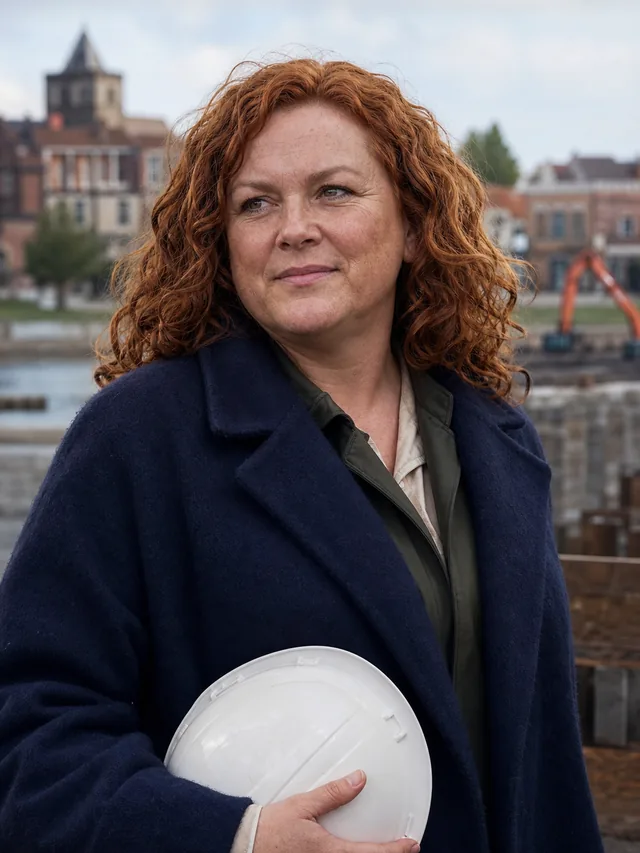
“A national league, yes. A league owned by the capital, no.” The smallest club’s chair leaves her pen beside the unsigned page. Travel costs come first; broadcast rights can wait.
By dusk, the chairs have agreed to pool a share of ticket revenue. The Draventhal National League has its founding clubs, but the first season still needs grounds, referees, and a calendar that the regional teams can afford.
Across the water, Valmere offers an international fixture. Two other governments ask who will control the cameras. Your sports minister unfolds a map of the proposed venues, and the argument moves to the towns left outside the first round.
InstitutionCreatedDraventhal National LeagueTwelve founding clubs, regional academies, shared ownership rules, and a national competition calendar.PracticeCreatedThe Meridian ChampionshipValmere accepts the invitation. Two other governments want broadcasting terms before joining.
Strength Reinforced
The world decides what it costs, who resists, what changes—and whether it works.
An unfamiliar world. A life of its own.
You are powerful. You are not the centre of everything. Beyond your borders, nations have their own histories, cultures, and ambitions. Elections unfold. Governments fall. Alliances shift. Industries rise and decline. Projects advance. Crises deepen. As you discover this world, its people make plans—and sometimes act before you do.
July 2028
1 major1 moderate1 minor
Events
The Breakwater Gives Way
MajorWorld Development
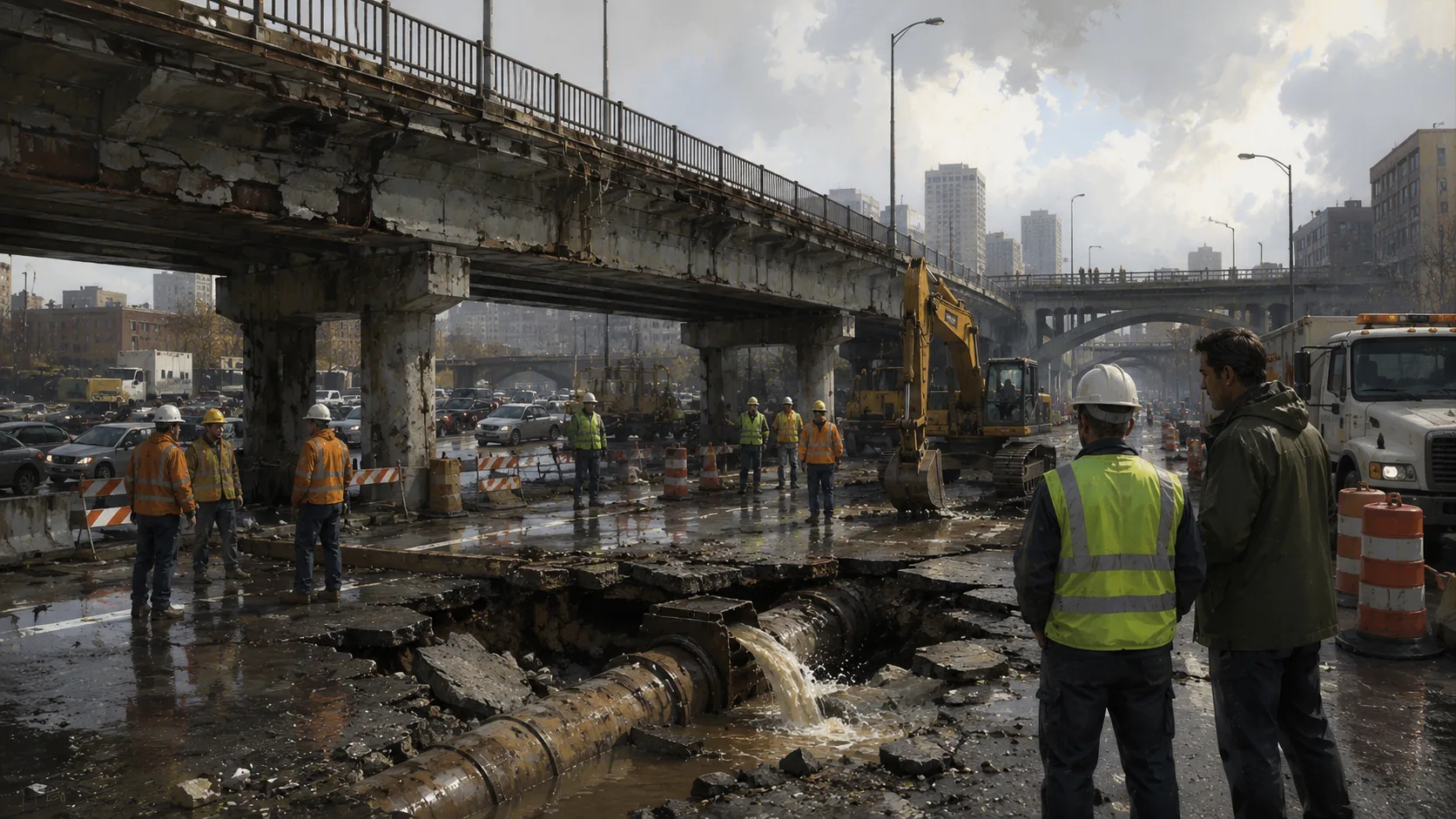
Before dawn, the eastern wall folds into the harbour. Ferries turn back as crews race to move fuel and grain above the surge line.
Coalition talks enter a fourth night
ModerateExternal Event
Two parties withdraw from negotiations as the caretaker government prepares for another confidence vote.
North Coast rail reaches its first milestone
MinorWorld Development
Survey work finishes ahead of schedule while three municipalities begin negotiating station sites.
MajorWorld Development
1 of 3
The Breakwater Gives Way
Before dawn, the eastern wall folds into Port Aurelia’s harbour. Ferries turn back toward open water as crews race to move fuel and grain above the surge line.
No one in Draventhal caused it. By morning, shipping prices are already moving.
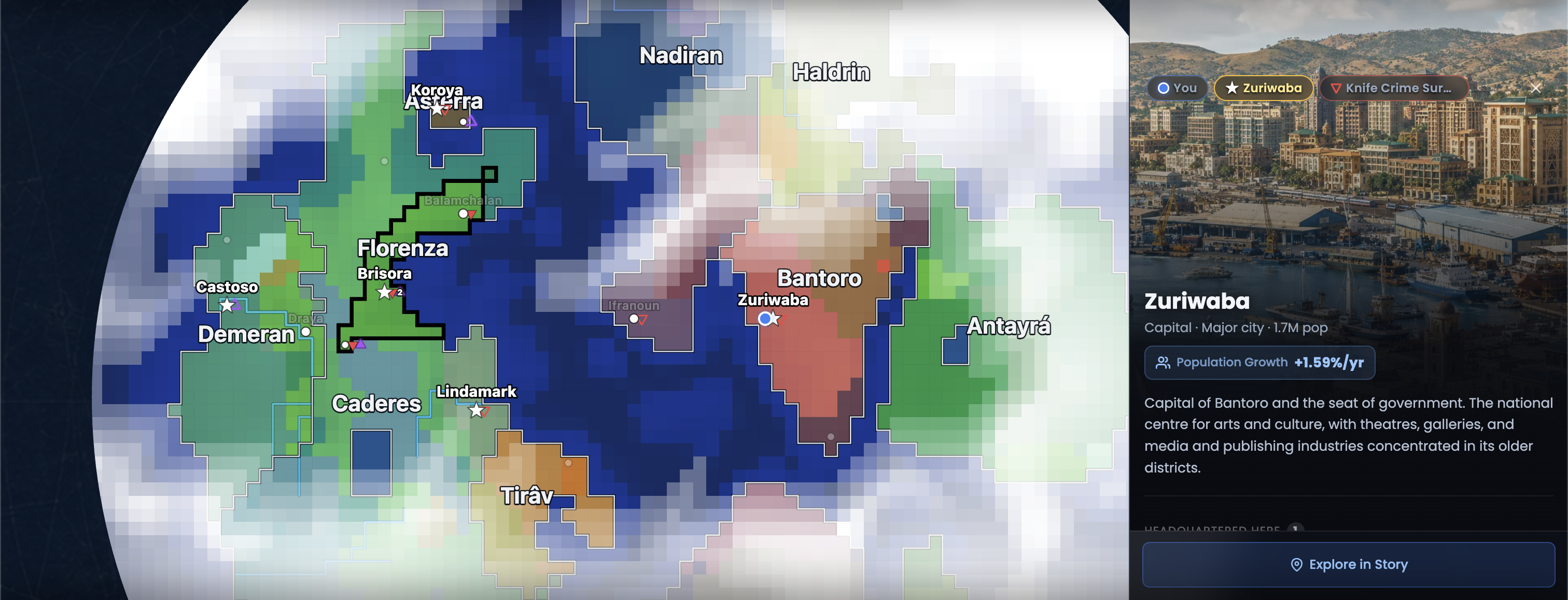
A map full of places you have never known.
Travel through your country and across the world: a mining town, a foreign capital, or somewhere discovered by accident. Travel is how you uncover the world. Discover local customs, go where an issue is unfolding, and meet the people living through it. Some things only make sense once you arrive.
Every country inherits pressure. And power.
Govern through what is already there. Issues demand judgment; strengths create leverage. Both have histories, constituencies, and consequences.
What is failing
Issues
3
Problems have causes. Confront their foundations, manage their symptoms, or decide what must wait.
Economy
Systemic
Stagnant Wages vs. Rising Prices
Severity76/100
Worsening+0.8/month
Monthly Effects
Cost of Living→ 75+0.8/monthApproval→ 35−0.6/month
Public Services
Crisis
Healthcare System Near Collapse
Severity88/100
Worsening+1.2/month
Monthly Effects
Healthcare→ 25−1.1/monthApproval→ 30−0.8/month
Governance
Crisis
Corruption Entrenched in Public Office
Severity81/100
Worsening+0.5/month
Monthly Effects
State Capacity→ 30−0.7/monthBusiness Confidence→ 35−0.5/month
What is strong
Strengths
3
Advantages need stewardship. Protect what works, invest in it, and turn inherited capability into future power.
Economy
Exceptional
Automotive Manufacturing Industry
Vitality72/100
Strengthening+0.4/month
Monthly Effects
Business Confidence→ 80+0.7/monthUnemployment→ 4−0.2/month
Business Confidence→ 80+0.6/monthState Capacity→ 80+0.5/month
Power has a different shape in every country.
Lead a democracy or rule an autocracy. The constitution decides who can stop you, whose support you need, and how an intention becomes state action.
Democracy
Govern through Parliament.
Your party’s seats are only the beginning. Draft legislation, negotiate support, face exact votes, and survive the elections that decide whether you keep governing.
Issue decrees and manage the institutions that make authority real. Each bloc has its own domestic power, attitude, identity, and capacity to support—or frustrate—your rule.
87 domestic powerFormidable
Nwosu General Staff You●87 powerTambes Civil Service●33 powerSecurity Directorate●24 powerTelecom and Maritime Network●21 powerProvincial Governors’ Conference●40 power
Everything remembers.
Decisions become history. Promises can be fulfilled, abandoned, or betrayed. Relationships accumulate trust and resentment. Projects remain in the world. Places acquire stories. Institutions reflect the choices that shaped them.
Promise FulfilledKeep the river compact local
+2080 → 100Fulfilled
Relationship improvedMayor Elara Morn
+824 → 32Good
You trusted the river towns with their own institution—and kept that promise when national officials pushed to take control.
Institution
River Towns Water Compact
Established
The locally governed authority becomes the model for regional infrastructure agreements.
Try the idea nobody put on a button.
CountryGov has systems. Your imagination does not have to fit inside them.
What do you do?
What do you do?
Attempt anything the world can understand.
Your country is yours.
Worldbuilding is part of the game. Author a country’s geography, culture, institutions, economy, and political traditions—or inherit a nation whose history has already begun. Give it a character you want to explore, then discover what living in and governing it brings.
Author
Build a country from first principles
Country Name Short name
Draventhal
Inherit
Take responsibility for a country in motion
1 of 3
DemocracyAnglosphere Cosmopolitan
Westara
Constitutional Principality
LeaderPrime Minister Clara Walker
PartyBroad Civic AllianceBig Tent
Minority governmentPromises: 1 Major · 1 Moderate
11 Foundation Points. Strong in Economy & Industry. Vulnerable in Infrastructure & Environment.
Take Office
AutocracyMiddle Eastern
Mehraván
Presidential Autocracy
LeaderPresident Amira Khalil
ExecutiveNational Executive Office
Entrenched footing1 national priority
9 Foundation Points. Strong in Diplomacy & Global Affairs. Vulnerable in Security & Authority.
Take Office
DemocracyNordic
Calder
Parliamentary Republic
LeaderPremier Elian Soren
PartyLabour CompactCentre-left
Minority governmentPromises: 1 Major · 1 Moderate · 1 Minor
11 Foundation Points. Strong in Public Services. Vulnerable in Economy & Industry.
Take Office
A world of systems.
Every system touches the others. Explore one and discover how it changes the country around it.
Story repeatedly changed what kind of writer the AI was supposed to be: assistant, political narrator, scene engine, and finally an accessible dramatist.
Where it arrived: political adventure prose for an intelligent general audience—plain enough to parse, specific enough to govern, and still atmospheric.
AI chat attached to a conventional game
Streaming, conversation history, and a reusable Story component appeared, but prose and simulation were still only loosely connected.
Administrative summaries and forced checklists gave way to a political scene whose mechanics followed from what actually happened.
Evidence: 27821b4 · exact commit
A scene engine, then a teardown
Story was rebuilt around a concrete live scene, player agency, and meaningful choices. Repetitive monthly recaps were removed and continuity came from actual conversation history.
The DM learned to infer intent, avoid forced headings, write human exchanges, accommodate many play styles, and stop at a genuine decision instead of a generic reflection.
Evidence: 2c35ad4 through 6ba1e1d · bounded commit sequence
One dramatist in an inhabited world
Openings, actions, and transitions gained one identity. The country became a place people inhabit; time had to move; length followed drama rather than a rigid ceiling.
CountryGov stopped lecturing through country-specific legal minutiae. National laws and campaign-scale undertakings require Parliament; routine administration and scoped delivery remain executive.
Evidence: 99044e0 mega-patch, building on fd8091b
Clarity without flattening the voice
The game lowered the reading burden: recognizable things before professional shorthand, ordinary verbs before stacked technical nouns, and causal explanation before mechanism names—while preserving tension, character, and tone.
Evidence: 096232c · release snapshot
Story 2.0: continuity over episodes
Continuing moments can run without a new title, and subtitles are removed. Prose follows the ongoing encounter, with headings reserved for meaningful breaks instead of packaging every response as a separate episode. Suggested next actions vary with the scene rather than always filling four slots. Clearer language and smoother prose make the story easier and more enjoyable to read.
Evidence: ai_service.py · v0.9 source
Story — mechanics & architecture
The technical history is a search for one trustworthy political judgment without starving that judgment of context.
Where it arrived: one final authorial adjudication writes the scene and its consequences together, after selective retrieval supplies the evidence and rules it needs.
Streaming plus a second extraction call
One call wrote narration and another inferred statistical changes. This kept streaming fluid but allowed prose and mechanics to disagree.
Evidence: 95f1de9, 11859c1 · exact commits
Modern structured consequences
The DM returned prose alongside machine-readable changes to statistics, World Memory, characters, Issues, Promises, and legislation.
Evidence: c6dea98 · exact commit
The same beat, two judgments
Story authored the dramatic beat first and a later extractor interpreted it. Prose improved, but empty or contradictory payloads remained possible because interpretation was still separate.
Evidence: 5158ce7, 625bd84 · exact commits
Shared streaming infrastructure
Three separate opening, action, and transition streams were consolidated, reducing technical divergence between Story contexts.
Evidence: b32b41e · exact commit
Retrieval-native context
A grounding planner began selecting relevant records, people, geography, conditions, legislation, and recent canon instead of relying on one enormous world dump.
Evidence: 99044e0 mega-patch, building on fd8091b
Unified adjudication
The final Story judgment came to author visible prose, hidden mechanics, links, visual intent, and playable branches together. “One-call” describes that unified final judgment; retrieval may still use a preparatory model call.
Evidence: 096232c mega-patch
Retrieval chooses evidence and trusted playbooks
Story can now ground its intended beat against full world records and specialized mechanics playbooks before the unified response, preserving intelligent judgment without rebuilding a giant prompt.
Events evolved from generated news after a turn into the composition layer for autonomous world motion.
Where it arrived: the world moves for concrete reasons, with quiet months allowed, and Events narrate the important motion instead of manufacturing every transition.
Current Events and cinematic interruptions
AI-generated end-of-turn objects gained effects; exceptional moments became full-screen Major Events rather than ordinary cards.
Evidence: f66df89, b0522e8 · exact commits
Calculated intensity and backlash
The engine scored turn intensity, selected target Event counts, tracked pressure, and escalated controversy through a backlash ladder. Drama was heavily system-directed.
Evidence: 1f020e2 and preceding Phase 5 commits
The world takes its own turn
Opposition, institutions, foreign governments, social groups, and unresolved conditions gained autonomous action. Events stopped being only reactions to the player.
Evidence: 21c5f2c · exact commit
Events judge national conditions
Events first set Issue trends directly, then supplied weighted votes to a separate trend adjudicator. A monthly AI consensus decided whether Issues and Strengths improved or worsened.
Evidence: 4af03be, 4931d73 and August 1 work
Endogenous versus exogenous
Known pressures brewing inside the world were separated from genuine outside arrivals such as disasters, wars, pandemics, or market shocks.
Evidence: 99044e0 mega-patch
Pressure and Flux replace rigid slots
The AI judged persistent combustible pressure separately from what actually moved this month, then chose a variable number of endogenous Events. A troubled country could finally have a quiet month.
Evidence: 096232c mega-patch
A semantic world-motion ledger
Calendar resolutions, votes, milestones, and autonomous activity became authoritative transitions Events must acknowledge without turning each transition into a separate card. Titles and descriptions also adopted general-audience clarity.
Evidence: 096232c mega-patch
Story and Events share one visual language
Events adopt the same cinematic, modern presentation as Story: expansive imagery blends into the narrative, while typography, controls, immediate effects, and world updates follow a consistent visual language. Moving between a played scene and a world event now feels like staying in the same experience.
Events must introduce a consequential change or actionable opening. Routine calendar occasions resolve without a card unless something consequential happens; a token stat reward does not qualify.
Evidence: ebaf7e3f · ai_events.py
Events presentation rework
Reworked month-advance loading and polished the Events screen. Location previews introduce each event, with artwork and captions changing together.
Exogenous seeds now suggest a domestic, connected-foreign, or wider-world origin. The writer chooses the actual location and can disregard an implausible hint.
Evidence: 578700cd · game_engine.py, ai_events.py
Events draw from the state of the world
A unified selection plan replaces the separate generic exogenous draw with varied subjects from current conditions, actors, policies and dependencies. Rare causes use eligible world circumstances, while the writer retains independent initiative.
The condition system reached peak complexity, then deliberately removed most of its machinery.
Where it arrived: Issues and Strengths describe what the nation is through one central, legible value moved by concrete causes—not a cloud of auxiliary fields.
Issues as worsening national problems
Live pressures deteriorated when ignored and carried status, urgency, pressure, progress, and continuing effects.
Trend expanded from deteriorating through resolving and gathered votes from multiple DM judgments. Context-loss fixes kept conditions from sticking at Stagnant.
Evidence: 4931d73, 31e4970 · exact commits
Strengths create a two-sided nation
National advantages arrived as the positive mirror of Issues, initially with vitality, trends, anchors, opportunities, erosion, and dissolution.
Evidence: 509fe7d · exact commit
Radical simplification
Anchor statistics, trendDelta, drift machinery, and the monthly consensus call were removed. Severity and Strength became the core bars, changed by direct causal effects.
Evidence: 096232c mega-patch
Different tempos and plateaus
Acute crises and structural advantages gained distinct movement speeds and plateau behavior, so they no longer behaved like the same progress bar with opposite colors.
Evidence: 096232c · release snapshot
Calendar & time
The game’s receipt for what changed last turn gradually became its model of past, present, and future time.
Where it arrived: authoritative dated objects drive deadlines, occasions, elections, historical review, and long passages of time.
Turn Report popup
A forced “Key Changes This Month” screen listed statistics, effects, and completed projects after each turn.
Evidence: 1cd9980 · exact commit
Turn Log replaces the interruption
The popup became a persistent expandable log containing stat changes, Events, World Memory, and projects.
Evidence: aaf2583 · exact commit
Monthly Developments presentation
The log became a curated end-of-month hierarchy of major, actionable, notable, and background Events, plus Issue drift.
Evidence: 1f020e2 · exact commit
A dedicated Month History panel
A separate Turn Log/Month History control sat beside the passive date bar and preserved prior monthly reviews.
Evidence: 3d0f5d2 · exact commit
History moves into the date bar
The date control became the central entry point for reviewing previous months.
Evidence: a6e2d24 · exact commit
An actual Calendar
Month History was replaced by month/year navigation, historical reviews, future occasions, authored commitments, and deadlines.
Evidence: 99044e0 mega-patch
Calendar entries become world-time objects
Entries could feed Story and Events exactly once. Ordinary Events were separated from occasions and deadlines instead of every dated thing sharing one bucket.
Evidence: 096232c mega-patch
Let Time Pass
Players can advance three months to three years. The simulation processes every intervening month but stops early when a major event, confidence crisis, campaign, or decision needs the player.
Evidence: 39a0c1f · release snapshot
Internal timekeeping names catch up
The refactor replaces old turn-based field names with consistent month terminology across time advancement, saved history, lifecycle dates, and browser resume state. Government attention within a month remains distinct from elapsed time.
Evidence: docs/SCHEMA_V09.md · v0.9 source
Variable starts and election timetables
New administrations begin in a randomly chosen month one to six years from the present. Initial election cycles vary between four and five years, with campaign openings, leaders’ debates, and elections anchored to each game’s dates.
The sidebar moved from containing nearly every subsystem to containing only persistent world knowledge.
Where it arrived: Dossier, Developments, People, and Lore are semantic records; Parliament, the economy, research, and infrastructure live where they are played.
Two record tabs
World Memory and Characters formed the first continuity sidebar.
Evidence: c6dea98, 85d8259
Eight visible collections
World Memory, Characters, Events, Lore, Parliament, Economy, Research, and Infrastructure were divided between World and Government groups.
Evidence: e2d410a, ce30e33, 2ce9fbc and adjacent commits
One visual language, same architecture
Card rendering was standardized across tabs, but the eight-way filing system remained.
Evidence: 14849c8 · exact commit
Memory and Quick Views
The same tabs were relabeled into persistent Memory and bottom-row Quick Views, exposing that half the sidebar was really navigation to other systems.
Evidence: 88f3c63 · exact commit
Collapse to four semantic collections
Dossier, Developments, Actors, and Lore replaced the eight tabs. Dedicated game surfaces absorbed Parliament, Economy, Research, and Infrastructure; old Events moved into history.
Evidence: 99044e0 mega-patch
Actors becomes People
The four collections became Dossier, Developments, People, and Lore, with People as the default and organizations separated from human continuity.
Evidence: 096232c · release snapshot
Dossier & Developments
One broad memory bucket split according to who owns the action: the government or the world.
Where it arrived: Dossier records government undertakings; Developments preserve situations that move independently of the player; Measures holds Legislation and Decrees separately from both.
World Memory
Agreements, projects, laws, investigations, decisions, and unresolved threads entered one broad persistence bucket.
Evidence: c6dea98 · exact commit
Dossier name, mixed purpose
World Memory was renamed Dossier, but it also became a Cabinet repository for leverage points and investigations—part record, part AI-authored solution system.
Evidence: b7f843e, 895fe52, 8fffbc4
Mandatory persistent objects
Eligible Story facts had to become real Dossier objects. Categories were cleaned up and legislation gained a shared identity.
Evidence: b0787be, 9601406, 1f07015
Leverage and resolution hints removed
Dossier stopped manufacturing clues for the player and concentrated on undertakings, agreements, laws, investigations, and records.
Evidence: c86b7a0, 45ef27a · exact commits
Work takes time
Programmes, investigations, agreements, and other projects gained visible progress rather than resolving as instant facts.
Evidence: late-July file history · exact day, several implementation commits
Developments become their own object class
Foreign legislation, movements, disasters, institutional shifts, and external projects could persist without pretending they belonged to the player’s government. This is distinct from July’s Monthly Developments recap.
Evidence: 99044e0 mega-patch
Substantial living records
Milestones, lifespans, histories, imagery, continuing effects, and map outcomes made both classes active parts of the simulation.
Evidence: 096232c mega-patch
Law and identity can change through records
Amendments and Constitutional Legislations can alter existing law and the country itself while preserving the resulting text and history.
Evidence: 39a0c1f release snapshot
Bills leave Dossier for Measures
Bills move out of Dossier into a dedicated Measures system containing Legislation and Decrees. Dossier remains the home for government undertakings, while Measures holds the laws and decrees that govern them.
Consequences moved from tiny acknowledgement tokens into visual, inspectable records of what the scene changed.
Where it arrived: people, conditions, promises, records, and budget effects appear as substantial panels tied back to their persistent objects.
Structured response and decision cards
The first modern Story results separated prose from choices and machine-readable consequences.
Evidence: 85d8259, ad453df
A vocabulary of tiny chips
Stat deltas, Issues, Promises, actors, World Memory acknowledgements, and progress appeared as increasingly numerous inline pills.
Evidence: 06f3020, 99f81c4, 9367a82 and adjacent UI commits
Animated consequence cards
Overlapping fan cards, shimmer skeletons, shared reveal timing, Outcome cards, Suggestions, and distinct consequence families replaced a flat stream of chips.
Evidence: 05dec02–136ed1b · exact commit series
Persistent objects become panels
Actors, Issues, Strengths, Promises, Dossier items, and Developments expanded into image-led panels with enough room to explain identity, state, and causal change.
Evidence: 99044e0 mega-patch
Effects become records too
Budget Effects, continuing commitments, activity, and linked map objects gained richer layouts. Story’s visible payload became an inspectable account of the world after the scene.
Evidence: 096232c mega-patch
Parliament
Parliament evolved from an attractive isolated prototype into the authority for shared laws, exact votes, and constitutional change.
Where it arrived: a party’s position and its ability to enforce that position are separate; Story conducts politics, while Parliament owns procedure and arithmetic.
A visual parliamentary prototype
Legislation, seats, debates, votes, and repeals existed with Westminster-style presentation, but shared little authoritative state with Story.
Evidence: 259c876 onward · prototype sequence
Reconstructed Parliament
Legislative routing and Parliament Focus connected debate, deals, amendments, votes, legislation details, and consequences to the modern game state.
Evidence: d369a02 and Tasks 211–214
A real agenda and a nine-position ladder
Multiple government and NPC legislation replaced the single focus. Parties occupied one ladder ranging from near-unanimous support to opposition and could drift along it.
Evidence: 01016af–9434957, f78d062
Authority boundary and one shared legislation
Story could introduce and dramatize legislation, but Parliament owned enactment and vote arithmetic. Competing Parliament/Dossier copies collapsed into one object.
Evidence: eec987f, 1f07015 · exact commits
Political play moves into Story
Debates, deals, amendments, and calling votes became scenes. Parliament became the chamber, launcher, and legislative record rather than a separate minigame full of forms.
Evidence: 99044e0 mega-patch
Party line separated from whip strength
The nine-position stance ladder and passive drift were removed. partyLine records for, against, or none; whipStrength records organizational discipline; exact MPs determine projections.
Evidence: 096232c · release snapshot
A living constitution
Constitutional legislation gained a two-thirds threshold and can change names, the capital, government type, electoral system, and election timetable. Amendments show both changed clauses and resulting law.
Evidence: 39a0c1f · release snapshot
Legislation becomes a Measure
Parliamentary bills and laws now belong to Measures rather than Dossier. The shared system contains Legislation and Decrees, preserving their distinct routes through parliamentary enactment or autocratic issuance.
New bills normally become eligible in the following month. A shared eligibility rule governs player and automatic votes; enacted constitutional reform can change the period, while proposals remain subject to the existing law.
Autocracy brings a different political foundation: rule depends on institutions, organized interests, and acceptance of authority.
Where it arrived: independent power blocs, separate relationships and Legitimacy, a dedicated Power workspace, and regime changes grounded in the country already in play.
Power beyond Parliament
Autocracy becomes a full playable regime with its own origins, starting footing, Priorities, and Power workspace. The ruler apparatus exists alongside consequential blocs whose composition and aims can evolve through Story and Events.
The original zero-sum Power Share plan gives way to independent Domestic Power scores. Several blocs can be strong together; relationships describe loyalty, while Legitimacy describes acceptance of ruling authority. Low scores alone do not automatically trigger removal.
Evidence: docs/AUTOCRACY.md · records the superseded design
Institutions survive a change of regime
Democratic institutions and interests can become autocratic power blocs through play. In the other direction, a founding election creates Parliament at certification, preserving the outgoing Power snapshot without inventing the destruction of every bloc.
Evidence: docs/AUTOCRACY.md · v0.9 source
War & territorial conflict
Armed conflict gains a persistent military and geographic record alongside its unfolding story.
Where it arrived: opposing sides commit forces, fronts mark contested and occupied ground, and continued fighting takes a measurable toll. Story and Events carry the conflict through escalation, ceasefire, and settlement.
War becomes a tracked conflict
Conflict Developments now record opposing sides, committed personnel, losses, intensity, and the state of the war. Their presentation brings the participants, forces, and fronts together instead of leaving the military situation in prose alone.
Contested fronts and occupied territory have geographic footprints. Map updates show changes on the ground, while territorial settlements can transfer ownership rather than merely describing a new border.
Active wars incur monthly personnel attrition, with intensity shaping the scale of losses. Story and Events establish changes in the conflict, including ceasefires and resolution, while the military record carries the consequences forward.
Secession can establish a sovereign country by transferring existing territory, population and forces. Non-state armed factions can fight through the existing conflict system without becoming sovereign economies.
The map has two histories: first procedural geography, then geography that participates in play.
Where it arrived: a discovered, causal simulation surface where places, resources, organizations, infrastructure, ownership, and recent activity share one geographic truth.
The first generated world
Procedural worlds, varied continents, country sizes, capitals, and names established geography as part of every playthrough.
Circular boundaries, terrain, plate tectonics, coherent biomes, fewer tiny land patches, and mountain rebalancing created the recognizable generated planet. Cloud-named experiments in this period did not survive as a real player-facing feature.
Basic geographic context grew into one shared truth between map, Lore, and the DMs.
Evidence: 4b2e091, 1af0671 · exact commits
The map becomes the game surface
Zones split from named places; markers, targeting, tooltips, player location, persistent full-viewport presentation, modern object panels, and camera actions arrived.
Evidence: b9be259, Tasks 415, efc41a9, f9b47ee
Places gain character
Generated cities diversified; Issues and Strengths attached to real locations; city archetypes, cultural architecture, art, and biome-aware presentation made place matter.
Evidence: 0a67bdc, 549c5a2, 509fe7d, fd8091b
Discovery introduces the first real clouds
Foreign countries gained progressive knowledge states, with visible cloud cover obscuring unknown parts of the world and lifting through play. Earlier cloud-named code never became a meaningful player-facing system.
Evidence: a6e2d24 · exact commit; corrected against the shipped experience
A causal political atlas
Resources, production, organizations, infrastructure, country links, ownership, and Story activity turned the map from a setting into an explanation of how the simulation is connected.
Evidence: 096232c mega-patch
Settlement and grounding polish
More small cities and towns populate countries; settlement distribution, naming, art assignment, borders, coasts, oceans, and named-region targeting were polished. This was refinement, not a new generator.
Evidence: 39a0c1f · release snapshot
A New World
Continent and coastline generation received a substantial rework toward more natural landmasses. Rivers and lakes add inland waterways, alongside further refinement to geographic layout and country starting conditions.
The registry stopped treating every entity that acts as the same kind of Actor.
Where it arrived: People are named humans with narrative continuity; organizations, parties, and nations have their own structures and act through people when a human relationship matters.
Character Registry
Named political characters gained persistent identities alongside Story.
Evidence: 85d8259 · exact commit
Characters expands into Actors
The Actors system put named people, institutions, and groups in one shared registry. Story and Events could introduce and update these different kinds of entity, but human characters and organizations were treated as variations of the same record.
Evidence: f38e0b7 · exact commit
The Actors system grows
Actors accumulated portraits, traits, agendas, affiliations, relationships, statuses, and recent actions. Creation and update rules carried them between Story and Events, while people and non-human entities still shared the registry.
Evidence: July actor and character file history · many exact commits
Statuses removed
Removal and continued existence became simpler; the registry shed a state field that did not reliably express narrative presence.
Evidence: 75fa9f8 · exact commit
Organizations become a separate system
Organizations gained their own records, map presence, activity, capacity, and relationships instead of masquerading as characters.
Evidence: 096232c mega-patch
Bye Actors! Hello People!
People replaced the mixed Actors registry as the home of named human characters. Institutions and groups no longer counted as people; organizations gained their own system. Major and Supporting describe narrative prominence rather than merely institutional rank or power, with human relationships and continuity carried across Story and Events.
Evidence: 096232c · release snapshot
Broader political identity
New cultural families, monarch portraits, Latin American people, and party emblems widened who can inhabit the generated world without collapsing identity back into generic roles.
Evidence: 39a0c1f · release snapshot
Internal names catch up with People
The existing People system receives a substantial internal cleanup: outdated Actors terminology and linked fields are renamed across saves, retrieval, APIs, portraits, and the interface. Obsolete code and legacy compatibility paths are removed so the implementation reflects the current game.
Evidence: docs/SCHEMA_V09.md · v0.9 source
Personal bonds can grow the recurring cast
Reciprocal personal importance can promote supporting people into the ongoing cast without requiring a political role. Expanded portrait choices preserve the faces already assigned to saved people.
Promises separated political obligation from the machinery used to deliver it.
Where it arrived: a Promise records what the government vowed and whether voters believe it was kept; legislation and Dossier projects record implementation.
Setup pledges and basic progress
Players chose promises during country creation and watched simple progress, but they were only lightly connected to governing systems.
Evidence: prototype history · pre-reconstruction
Mechanical mandate objects
Progress, deadlines, ongoing effects, completion rewards, failure penalties, Story updates, and prominent bars made promises part of the monthly simulation.
Evidence: 9076c06, 88216d6, 9367a82
A stricter definition of a promise
DM rules narrowed what counted as a real public obligation and how one should be discussed, resisting the tendency to turn every action into a pledge.
Evidence: July 18 prompt sequence · bounded commits
Completion, failure, and archives
Promises could resolve cleanly and leave the active mandate without losing their political history.
Evidence: b476b85, 256e598, 828f1ba
Simpler data and real dates
The object shape was reduced and deadlines moved from abstract turn counts toward calendar dates.
Evidence: late-July and early-August commit sequence
Promises become full records
Promise panels gained imagery, Budget Effects, and continuing commitments rather than remaining progress bars alone.
Evidence: 096232c mega-patch
Electoral continuity
Campaign promises can become the next government’s mandate after an election, tying a political obligation to the government that wins it.
Evidence: 39a0c1f release snapshot
Cabinet & Ask
The advice system retreated from manufacturing puzzle solutions and became a grounded way to understand the world.
Where it arrived: Ask explains state, trade-offs, and perspectives without advancing time or secretly creating leverage for the player.
Several separate advisors
Character-specific assistance and chat interfaces existed, but each felt like a separate AI feature rather than one world.
Evidence: fb73c22 and later prototype advisor work
Cabinet as streamed advisor Q&A
Personas, competing advice, suggested actions, formatted answers, and Dossier leverage points created a substantial briefing surface.
Evidence: 8fffbc4, 7c657f3, b180c5e
Briefings become highly structured
Draft actions, investigations, actor creation, strict output formats, and mandatory diagnosis attempted to make advice consistently actionable.
Evidence: d15b4fb, 9456519, 850fa87
One DM identity reduces the boundary
Cabinet and Story increasingly shared voice, world knowledge, and the same political storyteller rather than acting as disconnected assistants.
Evidence: 9502d6e · exact commit
Cabinet becomes Ask
Leverage points and resolution hints were deleted. Advice returned to interpreting the real state of the world instead of inventing a hidden solution path.
Evidence: c86b7a0, 45ef27a · exact commits
A lighter grounded explainer
Ask uses the modern retrieval context and a dedicated fast model while remaining read-only: useful interpretation without a second shadow simulation.
Evidence: 39a0c1f · release snapshot
Explore Ideas opens new directions
A separate constellation turns current world evidence into saved, connected ideas that can be drafted into Story. The first collection prepares alongside a new world; regeneration offers a fresh set without applying game effects.
CountryGov began with a number for almost every political concept and has repeatedly moved meaning back into concrete world objects.
Where it arrived: a smaller national dashboard, coherent fiscal magnitudes, and explicit distinctions between immediate, monthly, annual, and condition effects.
The enormous statistics expansion
Economic, social, political, demographic, institutional, and approval metrics accumulated alongside a large statistics drawer.
Evidence: 0710aaf, bdad8e6, bfe4340
Dashboard reconstruction and subtraction
Demographic approval was removed, hidden stats surfaced, and the dashboard was rebuilt around national foundations and clearer canonical values.
Evidence: 2489a2b, 90216f0
Formatting and conceptual pruning
Canonical formatting reduced display disagreement; crime, sustainability, and media-hostility abstractions were removed while Population became an explicit national statistic.
Evidence: d705ecd, a7c694d
Fiscal coherence
Revenue and spending were tied to GDP-scale magnitudes and the top bar shifted from a misleading cash reserve toward budget balance.
Evidence: 717a306 · exact commit
Effects split by time meaning
Immediate stat changes, monthly effects, annual Budget Effects, and slower Issue/Strength movement stopped sharing one ambiguous consequence language.
Evidence: 096232c mega-patch
Legible magnitudes and causal conditions
Population units and programme costs were clarified. Political conflict increasingly lives in People, Parliament, Issues, and Developments rather than another numeric index.
Evidence: 39a0c1f release snapshot
Political reactions settle over time
Approval and Legitimacy reactions accumulate as momentum rather than immediately changing their headline readings. Monthly settlement carries reactions into those readings; Approval retains its conditions influence, while Legitimacy retains earned authority.
Resources stopped being map decoration or national inventory numbers and became located dependency networks.
Where it arrived: potential becomes discovery, construction, and production; ownership, damage, trade, and dependency create causes used by Story, Events, and conditions.
Government quick views
Infrastructure and Research existed mainly as sidebar tabs and policy-facing dashboards, only loosely grounded in geography.
Evidence: 2ce9fbc · exact commit
First-class simulation systems
Modern Resources and Organizations gained persistent state and map presence instead of acting as flavor attached to generic statistics.
Evidence: 99044e0 mega-patch
Potential, deposits, sites, and ownership separate
Biome potential, exceptional regions, discovered deposits, production sites, capacity, condition, ownership, trade, and shortages became different stages and facts.
Evidence: 096232c mega-patch
A readable production chain
The visible model simplified to geographic potential → discovered deposit → construction → production, while preserving the deeper dependency network beneath it.
Evidence: 096232c · release snapshot
Lasting causal infrastructure
Completed projects create map assets; foreign ownership, country links, operating commitments, shortages, and damaged supply feed Issues, Events, Developments, and Story.
Evidence: 39a0c1f release snapshot
Different countries, different dependencies
Resource generation and starting supply were rebalanced. National electricity profiles now shape fuel demand, while water sources and coastal desalination connect supply to the actual geography.
Ordinary imports clear against named producers after domestic needs, with shared scarcity and substitution. Continuous demand and explicit fixed or market-linked contracts make foreign production and delivery terms part of national supply.
Country creation changed from a long customization wizard into the source of a mutually grounded political world.
Where it arrived: government, ideology, heritage, names, parties, geography, fiscal foundations, conditions, and capabilities describe the same country from the first scene.
An increasingly elaborate country builder
Flags, parties, government types, pillars, statistics, and promises accumulated across many setup steps.
Evidence: prototype setup history · September–November 2025
Setup becomes authoritative state
The reconstruction made setup choices feed the same game state used by Story, Parliament, statistics, and the generated world.
Six national pillar cards replaced sliders. Player ideology narrowed to five playable positions while NPC parties retained the extremes.
Evidence: df71dd9–8eaafd9 and July 2 ideology work
A cinematic political opening
Step-specific imagery and parliamentary standing made the setup flow feel like taking office rather than filling a database.
Evidence: July 19 presentation work, a5decad
Mutually grounded foundations
Categorical ideology, party platforms, cultural heritage, naming traditions, city names, Issues, Strengths, geography, finances, and capabilities began generating as one coherent profile.
Evidence: 096232c mega-patch
Broader authorship and identity
Electoral systems, eight heritages, optional settlement names, cropped custom flags, a rebuilt flag library, party emblems, and a distinct Latin American family expanded the country builder.
Evidence: 39a0c1f · release snapshot
Choose how power was won
Autocracy adds succession, seizure, and revolution as origins, with entrenched, established, or precarious footing. Starting apparatus strength, rival blocs, relationships, and Legitimacy ground the opening regime.
Evidence: 11e1bb8; autocracy.py · v0.9 source
Editable flags become part of governing
An in-house layered designer adds shapes, patterns, emblems and exports to flag creation. Players can also change flags during play through the designer or natural-language requests, with the national flag changing on enactment.
Elections existed first as presentation and isolated outcomes; v0.80 made them a recurring political system.
Where it arrived: campaigning unfolds through Story and Events, with Calendar milestones leading to election night, a new mandate, or the loss of office. The separate Campaign screen has been removed.
Election results as endpoints
Election announcements and victory screens existed, but elections were primarily start/end presentation rather than a recurring campaign simulation.
Evidence: prototype history; 8873bc6, 4cc6d82
Seats and announcements share Parliament data
Election messages began using dynamic seat totals and the current party system instead of static outcome copy.
Evidence: 1702f25 · exact commit
Dates and party systems make recurrence possible
The Calendar, exact parliamentary arithmetic, party identity, and real dates supplied the foundations needed for elections to happen inside an ongoing game.
Evidence: 096232c mega-patch
Formal campaign season
A four-month campaign opens with uncertain polling and a dedicated workspace. Operations, spending, Story choices, performance, and promises influence the contest without treating approval as vote share.
Evidence: 39a0c1f · release snapshot
Election night changes the state
Votes become seats under Proportional Representation, Mixed-Member Proportional, or First Past the Post; Parliament is rebuilt, a winning platform becomes the mandate, and defeat can end the administration.
Evidence: 39a0c1f · release snapshot; internal order squashed
Founding elections can create a democracy
An autocracy can open a founding campaign while retaining Power until certification. The result establishes Parliament and democracy, with defeat still ending the player administration.
Evidence: docs/AUTOCRACY.md · v0.9 source
A simpler election interface
Removed the dedicated Campaign screen and simplified the election interface. Campaigning through Story and Events remains part of the existing game; the redesign removes the separate workspace.
Evidence: 338be4d4 · v0.9 election redesign
A different political calendar each game
Variable starting months and initial four- or five-year election cycles replace the fixed starting date and timetable. The Calendar keeps each campaign and polling day tied to that administration.
The interface moved from a collection of rooms, tabs, and panels toward one cinematic world with contextual workspaces.
Where it arrived: a proper introduction flows into setup and a map-backed game; Story, Parliament, records, and history feel like parts of one place, without a separate Campaign screen.
Separate screens establish the vocabulary
Dashboard, Parliament, map, advisors, saves, setup, and Story each developed a distinct visual identity before they shared a coherent navigation model.
Evidence: prototype UI history
Three rooms and cinematic framing
Dashboard cleanup organized the game into rooms; a cinematic main menu, setup transitions, event art, and glass materials established the modern atmosphere.
Evidence: e2d410a, b137c7b, 0e3c149, 14d0133
The map becomes the persistent background
Instead of visiting a Map Room, players governed over the generated world. Story and payload presentation became layered over that continuous surface.
Evidence: efc41a9 · exact commit
Dedicated surfaces, semantic records
The sidebar shed subsystem tabs as Parliament and other systems gained their own contextual workspaces. Shared panels and transitions reduced the feeling of switching apps.
Evidence: 096232c mega-patch
A proper beginning
A “Press Any Key” title and scrollable introduction explain the game through real interfaces before the main menu. Accounts, setup, saves, and changelog now participate in one history-aware flow.
Evidence: 39a0c1f · release snapshot
Seamless Story and Parliament
Boxy outer containers were removed. Narrative, consequences, records, the chamber, legislation, and action controls now read as regions of continuous map-backed workspaces, with Campaigns following the same language.
Evidence: 39a0c1f · release snapshot; internal order squashed
Story 2.0 leaves the episode card behind
The earlier map-backed workspace now carries a continuous narrative flow: optional scene titles, no subtitle, and a reworked presentation of prose, actions, and consequences.
The cinematic presentation extends across both Story and Events, with shared treatment of narrative, imagery, controls, and consequence panels rather than separate visual identities for each.
Find your next ambition with Explore Ideas, face a wider world of Events, govern an economy connected to real producers abroad, and design a flag of your own.
November 22, 2026
Explore Ideas
Open a constellation of possibilities drawn from your current world. Eight regions bring together political ambitions, personal pursuits, diplomacy, construction, and other directions your story could take.
Explore the connections, preview an idea, and bring its draft into Story to make it your own. Ideas are invitations to act; choosing a draft does not carry out the action.
Your first collection is included with a new world and prepares in the background. Saved ideas remain available to revisit, with regeneration costing one credit when you want a fresh set.
Events 2.0, or a World that Actually Moves
Monthly Events draw on more of the world you have built: persistent problems, national strengths, projects, political parties, powerful blocs, cities, people, and foreign relationships can all set something new in motion.
Recent laws can provoke support, resistance, or unexpected consequences. Trading partners and nearby countries can initiate developments of their own, while repeated coverage gives other subjects more room.
Rare events respond to the circumstances of the world, from political upheaval and disasters to new parties and personal turning points. Secession can establish a new country, and armed factions can participate in conflicts without becoming sovereign states.
Selection leaves room for developments beyond these starting points. A busy month reduces additional assignments, while a quiet month need not manufacture a crisis.
Resource Overhaul
Ordinary imports now come from named foreign producers with finite output. Countries reserve their own domestic needs first, and buyers share the remaining supply, so a supplier's disruption can leave a real shortage even after alternatives are found.
Trade agreements distinguish fixed prices from market-linked terms, with priority delivery available when explicitly negotiated. Ordinary commerce does not require a government agreement, and a private purchase does not automatically become a Treasury expense.
Resource demand grows with population and the economy on a finer scale. Rebalanced deposits, water sources, and starting production give countries different endowments and dependencies; resource views show who supplies your imports and the terms of your contracts.
Fly Your Own Flag
Create your national flag with our new in-house Flag Designer. Choose its shape, layout, and colors, then build up patterns and emblems in editable layers. Start from an editable library flag, roll a random design, or import your own emblem.
Adjust your design with undo and redo, and export it as SVG or PNG. Flag framing follows the artwork across setup and the game, including pennant and swallowtail shapes.
Change your national flag during play using the designer or natural language. Attach a design to your Story action, or simply describe the flag you want and let the game create it. Pursue its adoption through government, with the new artwork becoming your national flag when enacted.
Gameplay & polish
New bills normally spend a month under public consideration before their final vote, with eligibility shown in Parliament. Enacted constitutional reform can change the period; confidence motions and autocratic decrees remain exempt.
Coalition membership is reflected in parliamentary changes and legislation. Political reactions to a division follow what the vote means, replacing the same automatic approval reward or penalty for every result.
Approval and Legitimacy reactions now build momentum that settles over subsequent months. Reactions can reinforce or cancel one another; outcome panels show the reaction and the Monthly Review reports the settled change. Approval still responds to national conditions, while earned Legitimacy remains.
Expanded the portrait library and refined how faces are matched to people, while preserving portraits already assigned in your saves. Reciprocal friendships and other personal bonds can bring supporting characters into the ongoing cast without requiring a political role.
Refined shared popup materials, map controls, and outcome panels so changes to the world are easier to follow across Story, Events, and the records they leave behind.
Update history
v0.96.1 · Model Quality
Choose how your story is told. The new quality selector beside Explore Ideas lets you switch between Standard and Enhanced, with your choice remembered in this browser.
Standard offers everyday storytelling at a lower cost: 5 credits per Story action and 10 per time advance.
Enhanced offers more nuanced characters and richer storytelling: 10 credits per Story action and 15 per time advance.
Time advances include the next month’s opening at your chosen quality. Ask and Events keep their existing models.
Each mode has its own icon, with a light-blue active state and smooth opening and closing animations in the new selector.
v0.95 Beta
Full Steam Ahead
A redesigned HUD, CountryGov Plus, and a bigger world to govern—with a 3D map, guided learning, infrastructure, and independent industry.
UI & HUD overhaul
Introduced in v0.95.1
Redesigned the in-game HUD around navigation, the calendar, and a dedicated Statistics drawer, with clearer time tracking and layouts suited to desktop and mobile.
Reworked menus, country setup, accounts, and saved worlds, carrying the updated presentation through the screens you use before and between games.
Credits & CountryGov Plus
Introduced in v0.95.1
Introduced credits with a weekly allowance and an account panel where you can follow your balance, action costs, and usage.
CountryGov Plus adds monthly credits and room for more saved worlds. One-time packs provide additional credits without a subscription, and failed actions are refunded.
Learn by governing
Learn through a governing crisis in Venibarque, where a damaged bridge and a railway promise give your decisions immediate stakes. Follow your own approach or leave the tutorial to play freely.
Contextual tips explain features as you encounter them. A searchable, illustrated Guidebook brings together worked examples and references you can return to during play.
A bigger world, in 3D
Explore terrain, forests, settlements, and clouds in a tilted 3D view, or switch to Overhead while keeping the same map layers and place details.
Worlds are roughly 30% wider and contain 16–22 countries. Revised geography, labels, and map controls make the expanded world easier to navigate.
Infrastructure & Services
Transport, utilities, public services, and defense infrastructure now have a presence on the map, covering both inherited assets and new construction.
Roads and railways connect places across the terrain. Project and Dossier links let you follow a facility from construction into operation.
Resources & independent industry
Private, cooperative, and mixed producers can open, expand, or contract without a government project. Their operations contribute to national supply alongside public industry.
Extra resource demand now follows the projects and activities that cause it. Ending a subsidy no longer removes the industry it supports, and a facility’s capacity is tracked separately from its operating condition.
Events selection & presentation polish
Events now require a consequential change or an actionable opening. Flavor-only news no longer earns a card, and routine calendar occasions pass without one unless something significant happens.
Exogenous events receive randomized hints toward domestic, connected-foreign, or wider-world origins. These broaden the starting point while leaving the actual place and event to the writer.
Reworked month-advance loading and the Events screen, with location previews introducing each scene. Artwork and captions change together once the image is ready.
Action reliability & account polish
Updated in v0.95.4
Fixed failures that could prevent a story action from saving when it created an organization. Amendments also no longer reject valid references to their own clauses.
Refined email verification, credit-usage details, and confirmation dialogs across the account and game screens.
Update history
v0.95.4 · Action reliability & account polish
Fixed organization saves and amendment validation; polished verification, credit usage, and confirmation dialogs.
Reworked Events loading and presentation; excluded flavor-only cards and refined international outreach.
v0.95.1 · HUD overhaul, Credits & Plus
Introduced the HUD overhaul, Credits & CountryGov Plus, billing, and free-credit verification.
v0.9 Beta
New World Order
A new way to rule, a story that keeps flowing, and a world reshaped from the coastline up. Autocracy, Story 2.0, A New World, and War bring new ways to govern, explore, and reshape your country, alongside redesigned elections and variable starting dates.
Autocracy
Added Autocracy as a full way to play: take power through succession, seizure, or revolution, then begin with an entrenched, established, or precarious regime.
Govern through a dedicated Power workspace, where your apparatus stands alongside military, business, religious, regional, and other consequential blocs with their own aims and relationships.
Each bloc has independent Domestic Power, so several institutions can be formidable at once. Legitimacy measures acceptance of your authority separately from loyalty or coercive strength.
Set Priorities, bargain with powerful interests, and face the consequences through Story and Events. Survival depends on what happens in the country, not an automatic coup threshold.
Story 2.0
Story now reads as a continuous political narrative instead of a sequence of episodic cards.
Continuing scenes can flow without a new title, and the subtitle has been removed. Headings mark meaningful breaks rather than announcing every reply as another episode.
Reworked the narrative layout so prose, player actions, and consequences belong to the same unfolding scene, with history available as you move through it.
Suggested next actions now vary in number to suit the scene instead of always filling four slots.
Improved the writing for clarity and reading flow, with plainer language, clearer explanations, and prose that is easier and more enjoyable to read.
Unified the presentation of Story and Events around the same cinematic, modern visual language, bringing consistent styling to narrative, imagery, effects, and world updates.
A New World
Substantially improved world generation, especially the shape of continents and coastlines, for more natural and believable landmasses.
Added rivers and lakes, giving the world inland waterways alongside its reshaped continents and coasts.
Refined the geography and starting conditions that give each generated country its own circumstances.
Rebalanced resource generation and starting supply, with further tuning to deposits, production, demand, and shortages.
War
Wars now have tracked opposing sides, committed forces, and losses, giving armed conflict a lasting presence beyond the narrative.
Contested fronts and occupied territory appear on the map, so you can follow where the fighting is happening and who holds the ground.
Active fighting causes monthly attrition, making prolonged war a continuing drain on military personnel.
Direct the conflict through Story, with Events carrying developments forward. Ceasefires, peace, and territorial settlements can change both the conflict and the country around it.
Elections, redesigned
Removed the separate Campaign screen and simplified the election interface.
Campaigning continues through Story and Events, with the Calendar tracking campaign openings, leaders’ debates, and polling day.
New games begin in a variable month one to six years from the present, with an initial election cycle of four or five years instead of one fixed timetable.
Energy with a national character
Countries now have distinct electricity-generation profiles, giving their energy systems different fuel needs instead of one generic mix.
Resource demand reflects those energy choices, while water supply can draw on geography and coastal desalination.
These differences give infrastructure, imports, and resource policy more concrete starting points.
Under the hood
Substantially refactored the internal code and save model to reflect the game as it exists today.
Moved bills out of Dossier into a dedicated Measures system, bringing Legislation and Decrees together while keeping government undertakings separate.
Renamed outdated fields and systems, including Actors to People and turn-based terminology to months, across saves, linked records, APIs, and the interface.
Deleted obsolete code and legacy compatibility paths, leaving a cleaner foundation for the current game.
This beta release starts a new save generation; begin a new game for v0.9.
v0.8 Alpha
The State of Play
CountryGov now introduces itself as a game, lets years move and governments face the electorate, and allows the state itself to change through play.
A proper beginning
Added a new “Press Any Key to Begin” title screen and a cinematic, scrollable introduction explaining CountryGov before the player reaches the main menu.
Built the introduction from real game interfaces: freeform Story actions, Events, Issues and Strengths, persistent records, travel, the world map, and country creation.
Connected the landing experience, menu, accounts, setup, and changelog as one history-aware flow instead of a collection of separate entry pages.
Let Time Pass
Added the ability to let three months, six months, one year, or three years pass instead of advancing the simulation only one month at a time.
Long passages unfold as causal arcs: projects advance, effects accumulate, calendar occasions occur, and non-player legislation can be introduced and decided in its proper month.
Time stops early when the player is needed—at a major interruption, confidence crisis, campaign opening, or other decision—then records one coherent review of the elapsed period.
Campaigns & elections
Added recurring national elections and a formal campaign season that opens four months before polling day with uncertain polling, a campaign workspace, and visible party competition.
Campaign operations, political spending, Story decisions, governing performance, and promises made for the coming term now shape the contest without reducing approval to a literal vote share.
Election night produces a seat result, rebuilds Parliament, carries winning platform promises into the new mandate, and can return the player to office—or end the administration.
A living constitution
Introduced Constitutional Legislations with a two-thirds threshold and structural effects that can change the country’s name, formal title, capital, government type, electoral system, and election timetable.
Constitutional amendments now revise the law already in force, while Parliament shows both the clauses being changed and the resulting complete text and mechanical footprint.
Name changes for the player, settlements, places, countries, and calendar occasions propagate through the map and world record instead of leaving stale identities behind.
Extended Constitutional Law into jurisdiction itself: enacted articles can now redefine which institutions hold authority, and those operative rules remain live whenever Story judges what the player or Parliament may do.
One continuous game surface
Rebuilt Story as a seamless map-backed workspace, removing the box around the narrative and joining prose, consequences, records, history, and the action composer into one continuous surface.
Gave Parliament the same treatment: legislation and the chamber now read as regions of one workspace, with quieter dividers, anchored controls, richer party details, and Story actions where political play actually happens.
Applied the shared language to Campaigns and mobile layouts so switching between governing, legislating, campaigning, and inspecting the world no longer feels like moving between unrelated screens.
A map the game understands
Gave every substantial connected landscape a real geographic identity, including named biome regions and correctly distinguished islands, archipelagos, subcontinents, oceans, and water crossings.
Added named political regions and subdivisions across countries, a regional political map view, and grounded regional parties and issues that belong to the places they represent.
Made Story understand geography relative to the actual place in question, while rebuilding city artwork and selection around biome, culture, function, and settlement scale.
Political identity
Added Proportional Representation, Mixed-Member Proportional, and First Past the Post as selectable electoral systems with genuinely different party systems and seat outcomes.
Expanded country authoring with eight broad heritages, optional settlement names, custom cropped flag uploads, a rebuilt flag library, and distinct generated party emblems.
Added Latin American naming, people, cities, political art, travel imagery, and world-generation support as its own cultural family rather than folding it into Andean or generic contemporary material.
0.80.1 refinements
Made elections and Parliament more internally consistent: political support can move independently of approval, regional parties and independents behave coherently, and Story or Events can reshape party composition without losing seats.
Reworked the starting economy and demographic model so population and all six foundations determine national scale, while cities can change population and growth without silently changing the whole country.
Polished daily play with clearer map and country panels, the next upcoming calendar event, consistent close controls, more reliable new-game loading, and corrected Event artwork.
v0.75 Alpha
The Mega(ming) Polish
Six core systems were completed together: statistics, budgets, Parliament, resources, infrastructure, and the AI instincts connecting them.
Statistics & budgets
Added visible plateau speeds and independent Issue and Strength tempos, making long-run statistical movement readable and rebalancing how national conditions begin and change.
Created Budget Effects as the shared system for annual commitments across Story, Events, legislation, Promises, Dossier items, Developments, milestones, and completed assets.
Connected those commitments to Annual Spending and the fiscal pie, with explicit categories, amounts, budget shares, zero-capable sectors, service funding, and state capacity.
Parliament 2.0
Completed the path from proposal through Story debate, negotiation, parliamentary deals, amendments, votes, enactment, repeal, and historical record using one shared legislation.
Expanded legislation with full articles, sponsors, party positions, exact seat arithmetic, projected consequences, Budget Effects, and enacted outcomes while removing the artificial parliamentary trend layer.
Rebuilt Parliament on desktop and mobile around the chamber, order paper, legislative histories, effects, party movement, and direct handoffs into playable Story scenes.
Resources & dependencies
Simplified resources into a readable path from geographic potential to discovered deposit, construction, and production while retaining capacity, condition, ownership, trade, and dependency underneath.
Made shortages, damaged supply, foreign reliance, trade disruption, and new extraction capacity concrete causes for Issues, Events, Developments, Story opportunities, and statistical change.
Rebalanced starting Issues and Strengths around geography, institutions, fiscal foundations, policy choices, and national capabilities instead of loosely matching descriptive templates.
Infrastructure & links
Added lasting, clickable infrastructure for transport, utilities, public services, culture, defense, and other projects, with distinct glyphs, operating commitments, and visible foreign ownership.
Dossier items, laws, projects, and Developments can now become infrastructure, production sites, bilateral agreements, or strategic trade flows and retain links to those outcomes.
Introduced the Infrastructure layer and country links, then unified Overview, Organizations, Resources, and Infrastructure around stable symbols, ownership states, legends, and controls.
AI instinct & causality
Story now authors its scene, mechanics, and four playable next moves as one judgment grounded in live world state, retrieved canon, exact records, and player authority.
Taught the DM to distinguish immediate changes, annual commitments, monthly forces, active undertakings, legislation, Developments, and lasting map outcomes at the source.
Improved grounding, prompt caching, momentum, traceability, authoring tolerance, structural repair, and regression playtesting while preserving the distinct instincts of Story, Events, and Ask.
Political & visual polish
Made ideology categorical, gave parties real platforms, separated calendar occasions from Events, and standardized record categories across the simulation.
Rebuilt Month in Review and consolidated National Statistics, Parliament, map controls, records, archives, menus, transitions, and responsive sheets into one interaction language.
Added authored country and city naming, expanded culture-aware art, replaced weaker imagery, and polished setup, accounts, saves, loading, onboarding, and image delivery.
v0.7 Alpha
The Mega(ming) Patch
CountryGov’s previously separate records, consequences, world motion, and political interfaces now behave as one causal game.
Bye Actors! Hello People!
Replaced the old Actors system with People: named human beings, not institutions or generic world entities, now carry the game’s character continuity.
Made major and supporting status meaningful. People retain relationships, power, priorities, histories, promotions, and consequences across Story and Events.
Rebuilt introductions and relationship or power changes as prominent portrait-led payloads, backed by large culture-aware libraries and faster WebP delivery.
Story & AI consequences
Story now authors the scene and its mechanical result together instead of producing vivid prose followed by an empty or contradictory payload.
Player decisions can spend Treasury funds, reallocate public spending, move specific statistics, alter Issues and Strengths, advance Promises, and create lasting undertakings.
Reworked grounding, continuity, suggested actions, visual intent, and government-authority rules so consequences continue the player’s intent without inventing actions for them.
Living Events
Replaced rigid intensity slots with Pressure from unresolved world state and Flux from things that actually changed during the month.
Separated consequences already brewing inside the simulation from genuinely external surprises such as foreign wars, disasters, or pandemics.
Events now persist as replayable records with locations, decisions, full payloads, and parliamentary outcomes rather than disappearing after their first presentation.
Dossier & Developments
Defined Dossier items as active government undertakings and Developments as their world-owned parallel; inert notes no longer deserve either record type.
Temporary operations can expire, long projects can cross several milestones, and each milestone can release effects, begin new monthly forces, or end old ones.
Redesigned both as full visual records with hero art, readable histories, mechanical effects, progress or lifespan displays, payload panels, and map locations.
Resources & world map
Replaced decorative resource coverage with biome potential, exceptional regions, discovered deposits, production sites, capacity, condition, trade, and shortage pressure.
Resource projects can turn geographic potential into real production, while shortages and dependencies enter the Events system as causes rather than automatic damage.
Reworked map layers, marker shapes, tooltips, side panels, targeting, recent activity, foreign records, geography labels, and terrain readability.
Government & Parliament
Added concrete government-system and public-spending mechanics, including allocations whose per-capita funding feeds service outcomes month by month.
Removed Parliament’s separate gameplay screen. Parliament is now a Story-linked launcher and legislative record while Story controls debates, deals, amendments, votes, and political scenes.
Legislation remain shared mechanical objects with articles, party stances, seat arithmetic, momentum, enactment, repeal, immediate effects, and monthly effects.
Interface rebuild
Replaced tiny payload chips with image-led panels for People, Issues, Strengths, Promises, Dossier items, Developments, and other consequential objects.
Unified statistical chips, good and bad delta colors, momentum labels, detail drawers, histories, map actions, navigation notifications, and replay behavior.
Polished onboarding, inheritance, account flow, loading states, image skeletons, responsive layouts, and screen transitions across the game.
Art expansion
Added extensive person, event, government-travel, sports, festival, resource, city, and biome artwork.
Introduced semantic visual selection and culture-aware art families without exposing catalogues to Story.
Optimized photographic assets for much smaller WebP delivery while retaining source-quality PNGs.
v0.6
The Living World
The generated world stopped being scenery and became something the player could discover, inspect, and affect.
Approx. August 4–8, 2026
Foreign discovery
Foreign countries gained their own knowledge state: the player could discover leaders, capitals, cities, Issues, Strengths, relationships, and grounded diplomatic context over time.
Foreign references in Story became clickable records rather than names with no world behind them.
Simulation geography
Expanded spatial context, named regions, city archetypes, cultural architecture, terrain variants, and location-sensitive world generation.
Rebuilt map panels around countries, cities, the player’s location, recent Story activity, and persistent world markers.
World systems
Introduced Resources, Organizations, Developments, calendar occasions, and a broader national simulation context.
Gave Story and Events more concrete institutions, economic dependencies, and world-owned situations to move.
Presentation
Modernized setup, inherited starts, loading, audio, cultural artwork, navigation, Parliament records, and the overall game shell.
Added much broader automated testing around simulation, Story, geography, resources, organizations, and presentation.
v0.5
Issues & Strengths
The national condition model became two-sided, and the map learned to expose the world behind those conditions.
Approx. July 28–August 3, 2026
National Strengths
Added Strengths as the positive structural counterpart to Issues, with vitality, trends, effects, resolution or dissolution, imagery, and grounded map locations.
Allowed policy and world events to protect, exploit, strengthen, or erode national advantages instead of tracking only crises.
Issue refinement
Varied starting severity, improved trend adjudication, removed obsolete issue templates, and grounded diplomatic and domestic Issues in real generated places.
Made foreign nations, settlements, city types, and geography part of an Issue’s actual context rather than decorative prose.
Modern map panels
Assembled the modern You, City, Country, Issue, and Strength panels with richer imagery, actions, marker filtering, and Story navigation.
Expanded city archetypes and biome-aware presentation so generated places differed in more than name and population.
Persistent records
Improved timed Dossier progress, Promise data, monthly Developments, shared descriptions, archive behavior, and record consistency.
Continued removing legacy fields and duplicated frontend logic left by the reconstruction.
v0.4
The Playable World
The reconstructed Story loop gained a world-facing interface, stronger records, and a visible monthly rhythm.
Approx. July 22–27, 2026
Map as the game world
Turned the map into the persistent full-viewport background and added smooth camera movement, gameplay markers, locations, tooltips, and rich side panels.
Separated geographic zones from named places and grounded setup Issues in generated settlements.
Dossier & monthly records
Completed the Dossier category model, required eligible Story facts to become persistent records, and added active versus archived views.
Introduced the Monthly Developments log so automatic changes and world movement were visible between turns.
Payload presentation
Introduced the overlapping payload-card system, shimmer loading, shared reveal animations, and distinct chip families for Story consequences.
Connected those payloads to the map and records rather than leaving them as decorative acknowledgements.
Political and fiscal cleanup
Rebuilt government finance around GDP-proportional revenue and spending and exposed budget balance more clearly.
Removed the artificial leverage and resolution-hint systems; renamed Cabinet to Ask and returned authority over solutions to Story and the player.
v0.3
The Story Engine
The AI stopped behaving like a text generator attached to the game and became the shared scene engine running it.
Approx. July 16–21, 2026
One Dungeon Master
Rebuilt the DM around concrete scenes, player intent, causal consequences, second-person narration, and one creative identity shared across openings, actions, and transitions.
Separated streamed narrative from mechanical extraction while keeping both judgments grounded in the same beat.
Turn rhythm
Added cinematic month openings, monthly time capacity, action costs, overflow, date-aware messages, and a consistent opening-to-action-to-world-transition sequence.
Unified three separate streaming pipelines and made openings resilient enough to survive real generation time.
The world takes a month
Rewrote Events around the principle that opposition, institutions, crises, and foreign actors move without waiting for the player.
Allowed Events to change Issue trends and made unresolved Issues progress, resolve, archive, or deteriorate across months.
Shared political objects
Made legislation shared objects between Story and Parliament instead of maintaining competing copies.
Expanded Dossier creation, legislation articles, enacted-legislation monthly effects, Promise archives, person registration, and parliamentary handoffs.
v0.2
The Reconstruction
The old prototype was replaced by the architecture that modern CountryGov still builds upon.
Approx. June 29–July 4, 2026
Structured consequences
Introduced an AI Dungeon Master that could return prose and structured changes to statistics, Issues, Promises, legislation, characters, and persistent records.
Added monthly effects and long-running projects so a decision could continue changing the country after its opening scene.
World Memory
Created World Memory—later renamed Dossier—to preserve agreements, programmes, investigations, projects, laws, and unresolved threads across conversations.
Established the first explicit continuity layer connecting Story to future Story and Events.
Issues, Promises & Events
Introduced worsening Issues, progressing Promises, autonomous Events, Monthly Developments, and large cinematic event presentations.
Built the first recognizable monthly game loop in which ignored conditions and completed commitments mattered.
Modern game surfaces
Built the Characters registry and expanded it into Actors, where named people, institutions, and groups shared one continuity system. Rebuilt Parliament, Economy, Cabinet, Ask, the map room, setup pillars, the national-stat drawer, and the cinematic main menu around shared state.
These systems were still rough, but they finally belonged to the same game rather than separate demonstrations.
v0.1
The Prototype
A year of experiments established CountryGov’s subject and visual vocabulary, but not yet a coherent causal simulation.
Approx. September–November 2025
Country builder
Created flags, parties, government types, saves, turns, national statistics, demographic approval, and increasingly elaborate setup flows.
Built the large statistics drawer and the first economic, social, fiscal, and institutional indices.
Parliament prototype
Added legislation, party seats, debates, votes, repeals, and a Westminster-style seat display.
Parliament looked like a political system before it consistently shared state or consequences with the rest of the game.
Procedural world
Generated continents, countries, borders, capitals, terrain, biomes, plate tectonics, and several grid and hex map experiments.
The map supplied setting and spectacle but had little connection to political play.
First Story experiments
Added streaming AI narration, player actions, conversation history, early Issues, and separate advisor chats.
Most advisors and interfaces could describe politics but could not reliably change the same underlying world; that limitation eventually forced the 2026 reconstruction.